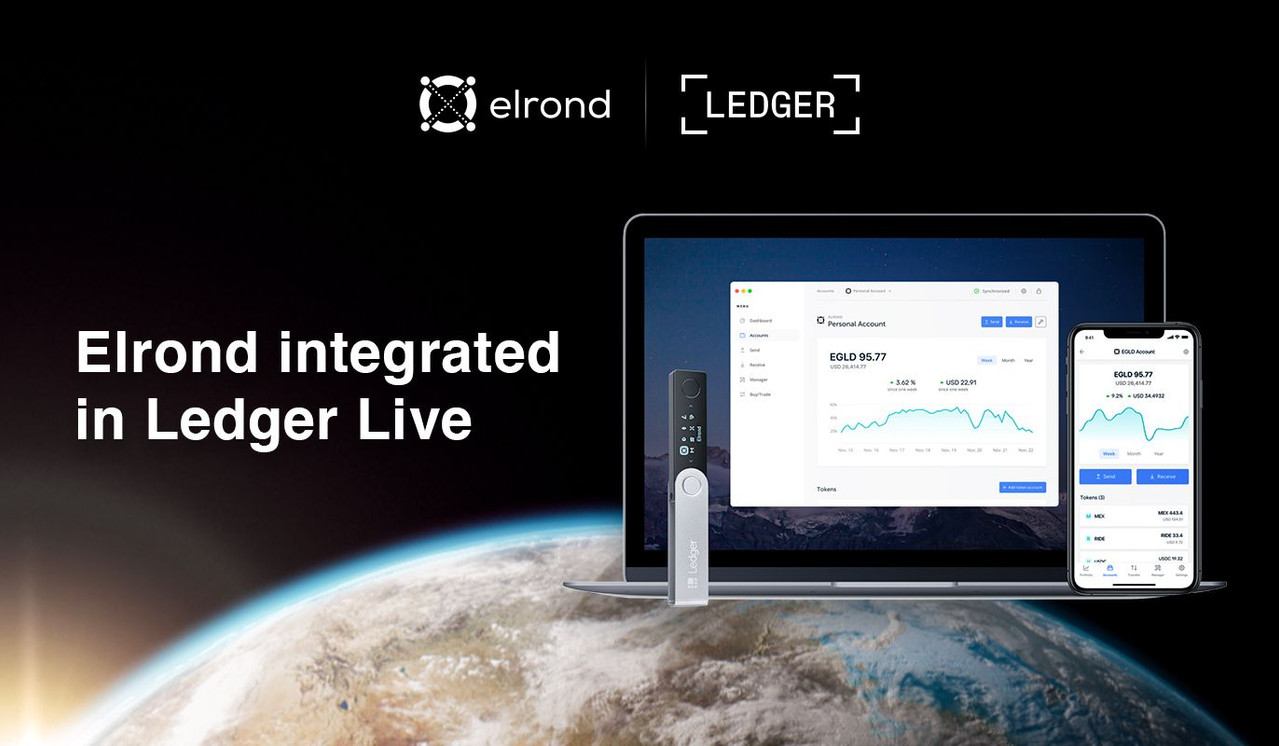
Ledger Login – The Complete 2025 Guide
Understand how Ledger login truly works, how to securely access your hardware wallet, and how to manage crypto like a confident self-custody user.
Introduction
When newcomers search for “Ledger login,” they often picture a username-and-password experience. But that is not how Ledger works. Unlike typical crypto platforms, Ledger does not use accounts, logins, or cloud credentials. Instead, it relies on hardware-based authentication and offline private key protection — making the login process one of the most secure in the crypto ecosystem.
In this guide, we explore everything you need to know: how Ledger login functions, how to use it correctly, risks to avoid, and advanced features that elevate your crypto management. This article is designed to help both beginners and intermediate users understand concepts like cold storage, seed phrases, private key sovereignty, and secure transaction signing.
In this guide, we explore everything you need to know: how Ledger login functions, how to use it correctly, risks to avoid, and advanced features that elevate your crypto management. This article is designed to help both beginners and intermediate users understand concepts like cold storage, seed phrases, private key sovereignty, and secure transaction signing.
What Ledger Login Actually Means
A real Ledger login is not about credentials — it’s about proving cryptographic ownership. You connect your Ledger hardware wallet, enter your PIN, and authorize Ledger Live to interact with your device.
Here’s the key difference: Ledger login is local and offline. No email account, no password resets, no cloud databases. You are authenticating with a secure chip inside your Ledger Nano device.
Here’s the key difference: Ledger login is local and offline. No email account, no password resets, no cloud databases. You are authenticating with a secure chip inside your Ledger Nano device.
- Your PIN unlocks the secure element chip.
- Your hardware wallet signs a verification request.
- Ledger Live displays your digital portfolio and accounts.
- Your private keys never leave the device.
How to Log In to Ledger (Step-by-Step Tutorial)
1. Connect Your Device
Plug your Ledger Nano X or Nano S Plus into your computer or connect via Bluetooth where supported.
2. Enter Your PIN
This unlocks the secure element and proves physical ownership. Enter carefully — three incorrect attempts reset the device.
3. Open Ledger Live
Launch the Ledger Live application and ensure it's fully updated. Ledger frequently improves compatibility and blockchain support.
4. Approve the Connection
Ledger Live will request access to your device. Confirm by pressing the device buttons; this ensures you are intentionally connecting.
5. Access Your Secure Dashboard
After verification, you’ll see your portfolio, accounts, and tools for sending, receiving, buying, swapping, or staking assets.
Security Principles Behind Ledger Login
Ledger devices use a combination of secure element chips, BIP39 seed phrase standards, and offline key isolation. This ensures that even if your computer is infected with malware, your private keys remain safe.
Security Truth: Your Ledger login can’t be hacked remotely. The only real danger is someone gaining access to your recovery phrase.
To ensure maximum protection:
- Never photograph or store your recovery phrase digitally.
- Never share it with anyone, including “support agents.”
- Avoid typing your recovery phrase anywhere online.
- Keep your device’s firmware and Ledger Live updated.
- Use hidden wallets or passphrases for extra layers of protection.
Ledger Login vs Traditional App Login
| Category | Ledger Login | Standard Crypto App Login |
|---|---|---|
| Authentication | Hardware + PIN + physical approval | Email + password + 2FA |
| Private Key Storage | Offline secure chip | Software or cloud |
| Attack Surface | Extremely low | High (web, app, server, API) |
| Transaction Approval | Requires device confirmation | Click/confirm online |
Advanced Ledger Login Concepts
Once you’ve mastered the basics, you can unlock deeper Ledger capabilities.
1. Hidden Passphrase Wallets
An optional passphrase creates a secondary wallet derived from your original seed. This allows “decoy” wallets for extra privacy.
2. Multi-Account Structures
Create multiple accounts for the same asset to separate long-term holdings, trading, testing, and DeFi usage.
3. Advanced Signing Requests
Ledger devices allow secure confirmation of smart contracts, NFT interactions, governance votes, and more — all verified on-screen.
Frequently Asked Questions
Is there a Ledger Login website?
No. Ledger does not have a web login page. The login happens through your device and Ledger Live app.
Can Ledger be logged in remotely?
No. Remote login is impossible. You must physically activate your Ledger device and confirm actions.
What if Ledger Live doesn’t recognize my device?
Try updating Ledger Live, switching USB ports, resetting drivers, or using a different cable.
Is my crypto safe during login?
Yes. Your private keys never leave the secure element, and no action occurs without your physical approval.
Conclusion
Ledger login is not a webpage, not a password box, and not a cloud service — it is a secure ritual that connects you directly to your digital assets. Whether you're a beginner learning the basics or an intermediate user exploring advanced features, knowing how Ledger login works sets you up for long-term crypto success.
With every session, you validate identity through cryptography, protect your private keys offline, and interact with blockchain networks on your own terms. That is the true power of the Ledger login experience — complete ownership, backed by world-class technology.
With every session, you validate identity through cryptography, protect your private keys offline, and interact with blockchain networks on your own terms. That is the true power of the Ledger login experience — complete ownership, backed by world-class technology.